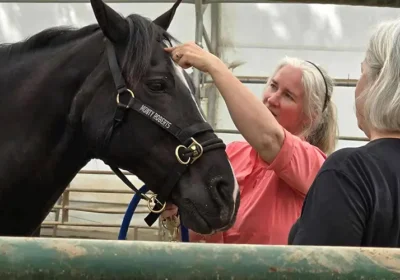


Not All Horse Programs Are the Same
People who are new to the horse world are often surprised to learn that not all riding programs serve the same purpose. Terms like hippotherapy, therapeutic riding, and riding lessons are sometimes used interchangeably, but they are actually very different services with distinct goals, structures, and professional requirements.
Understanding these differences helps families choose the right program and ensures riders receive the appropriate support for their needs.
Clinical Hippotherapy (Medical Therapy Using Horses)
True hippotherapy is a clinical medical treatment conducted by licensed healthcare professionals such as physical therapists (PT), occupational therapists (OT), or speech-language pathologists.
This form of therapy is designed for individuals who require significant physical support. Riders may be nonverbal, have limited motor control or muscle tone, use wheelchairs, or be recovering from conditions such as stroke or traumatic brain injury.
During a hippotherapy session
- The horse moves at a carefully controlled pace, typically at a walk.
- A trained horse handler leads the horse.
- One or two side walkers assist the rider for balance and safety.
- A licensed therapist directs the session and therapeutic goals.
The horse’s movement is the therapy itself. As the horse walks, the rider’s body moves through multiple planes of motion – forward and backward, up and down, and side to side. This complex movement stimulates the nervous system and activates the brain in ways difficult to replicate in traditional therapy settings. Research shows this neurological stimulation can continue for up to 75 hours following a session.
As riders progress, therapy may include functional tasks such as reaching across the horse, placing objects, catching balls, or navigating patterns — all designed to improve motor skills, coordination, speech, and cognitive processing.
Hippotherapy is medical treatment, not a riding lesson. We recommend our friends at North Georgia Equine.
Therapeutic Riding (Adaptive Riding for Emotional and Developmental Support)
Therapeutic riding focuses on the emotional, behavioral, and developmental benefits of interacting with horses. While still structured and supportive, it is not clinical therapy directed by licensed medical professionals.
This style of riding is especially beneficial for individuals who
- Benefit from sensory regulation
- Need support with social interaction
- Thrive with routine and predictable environments
- Have diagnoses such as autism spectrum disorder or Asperger syndrome
Horses naturally encourage riders to regulate breathing, stay present, and interpret nonverbal communication cues. Many riders gain confidence, emotional regulation skills, and improved focus through consistent interaction with horses.
Depending on the rider’s needs:
- Horses may be led or worked on a lunge line.
- Support staff may remain nearby.
- Instruction is adapted to individual abilities.
Therapeutic riding often looks similar to a lesson but prioritizes emotional growth and participation rather than independent horse control. https://bearfootranch.org
Riding Lessons (Horsemanship and Skill Development)
A traditional riding lesson focuses on learning how to ride and communicate with the horse independently.
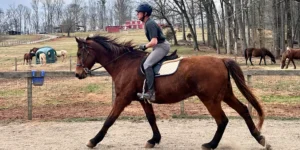
Goals may include:
- Developing balance and coordination
- Learning horse care and horsemanship
- Improving fitness and confidence
- Recreational riding or competition preparation
In lessons, riders learn how to control both their own body and the horse through steering, balance, and communication aids. While riding is naturally therapeutic for many people, the primary goal is skill development rather than medical or adaptive therapy.
Why the Differences Matter
Each of these programs serves an important but distinct purpose:
- Hippotherapy = clinical medical therapy directed by licensed professionals.
- Therapeutic riding = adaptive riding supporting emotional and developmental growth.
- Riding lessons = skill-based horsemanship education.
While all three involve horses, they should not be confused or used interchangeably. Matching riders with the appropriate program ensures safety, appropriate expectations, and the greatest benefit for each individual.
Horses are remarkable partners capable of supporting healing, growth, and learning – but how they help depends entirely on the structure and goals of the program.